


Project Location:Zimbabwe
Project Capacity:1.144MWP
Project Partner:China,Zimbabwe Ministry of National Defense,Xrise New Energy(China),Jntech(China)
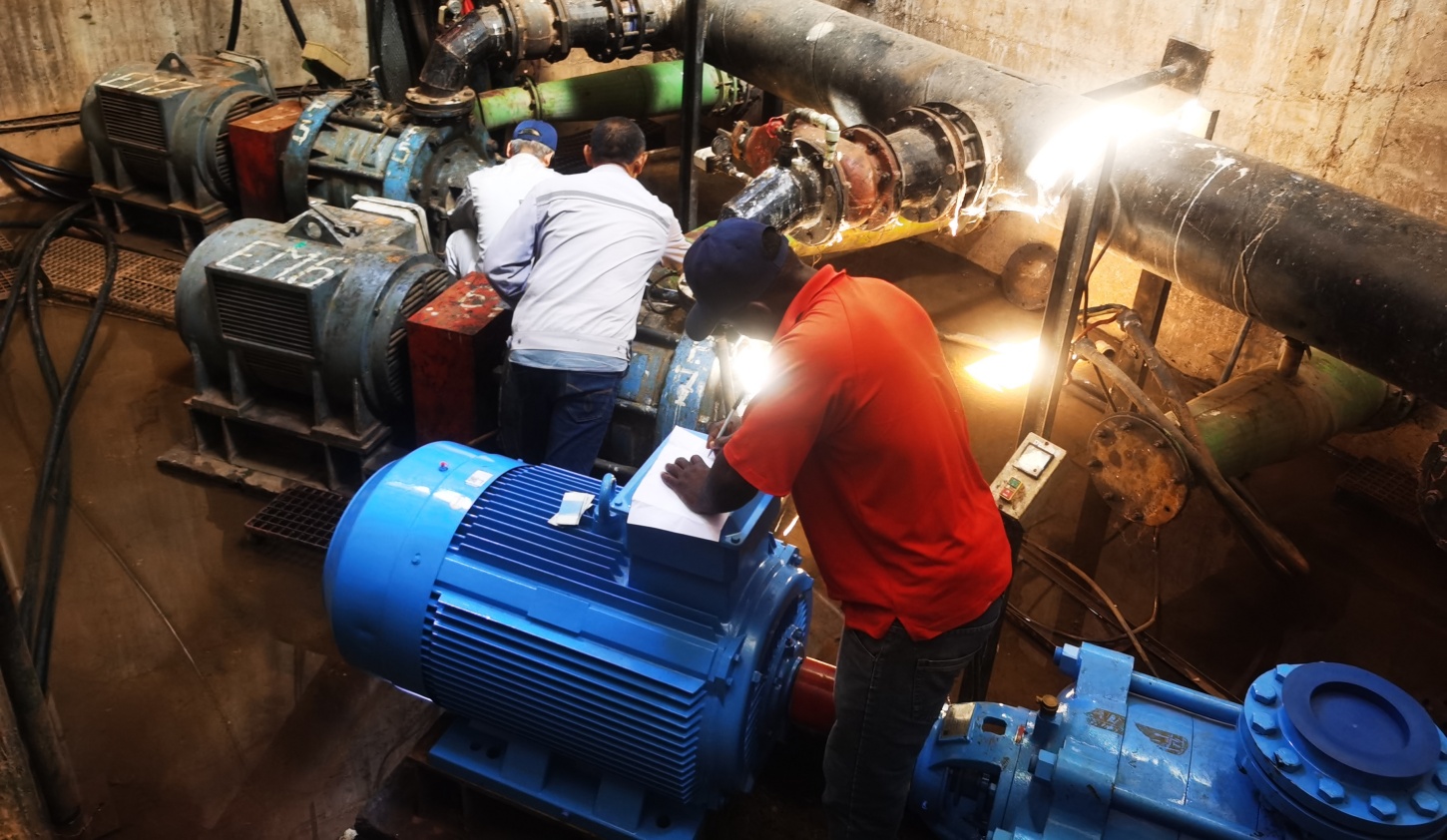
Project Product Main Lists:550W*2028pcs Solar Panel; 132KW Solar Hybrid Invverter*5pcs;132KW End Sunction Pump*5pcs;132kw Solar Grid-Connected Inverter*3pcs;Mounting Bracket.
Project Significance:The 1.144MWp Anhui & Zimbabwe Solar Power Generation Water Lifting Irrigation Project represents a significant step forward in sustainable agriculture and renewable energy utilization. This innovative project leverages a sophisticated system configuration to harness solar energy for agricultural irrigation, addressingwater scarcity while promoting environmental sustainability. The core of the system comprises 550W solar panels, with a total of 2080 pieces installed, capable of generating substantial electricity from sunlight.
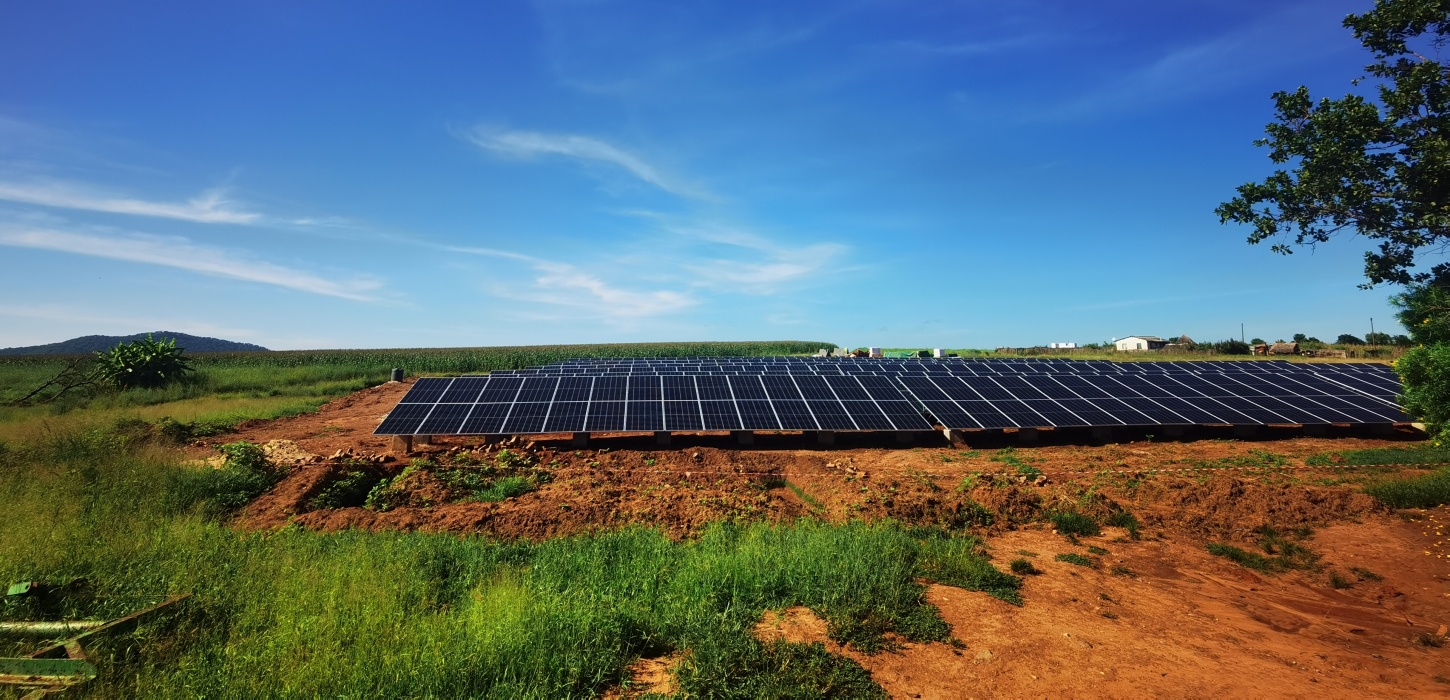
To ensure uninterrupted power supply, especially during periods of limited sunlight, the project incorporates a solar off-grid energy storage system. This crucial component stores excess energy generated during peak sunlight hours, allowing for continuous operation of the water lifting irrigation system even at night or on cloudy days. Additionally, an AC grid-connected cabinet facilitates seamless integration with the local electrical grid, providing an alternative power source and enabling energy sharing when necessary. A DC distribution cabinet further optimizes energy distribution within the system, ensuring efficient and reliable power flow to the irrigation equipment.
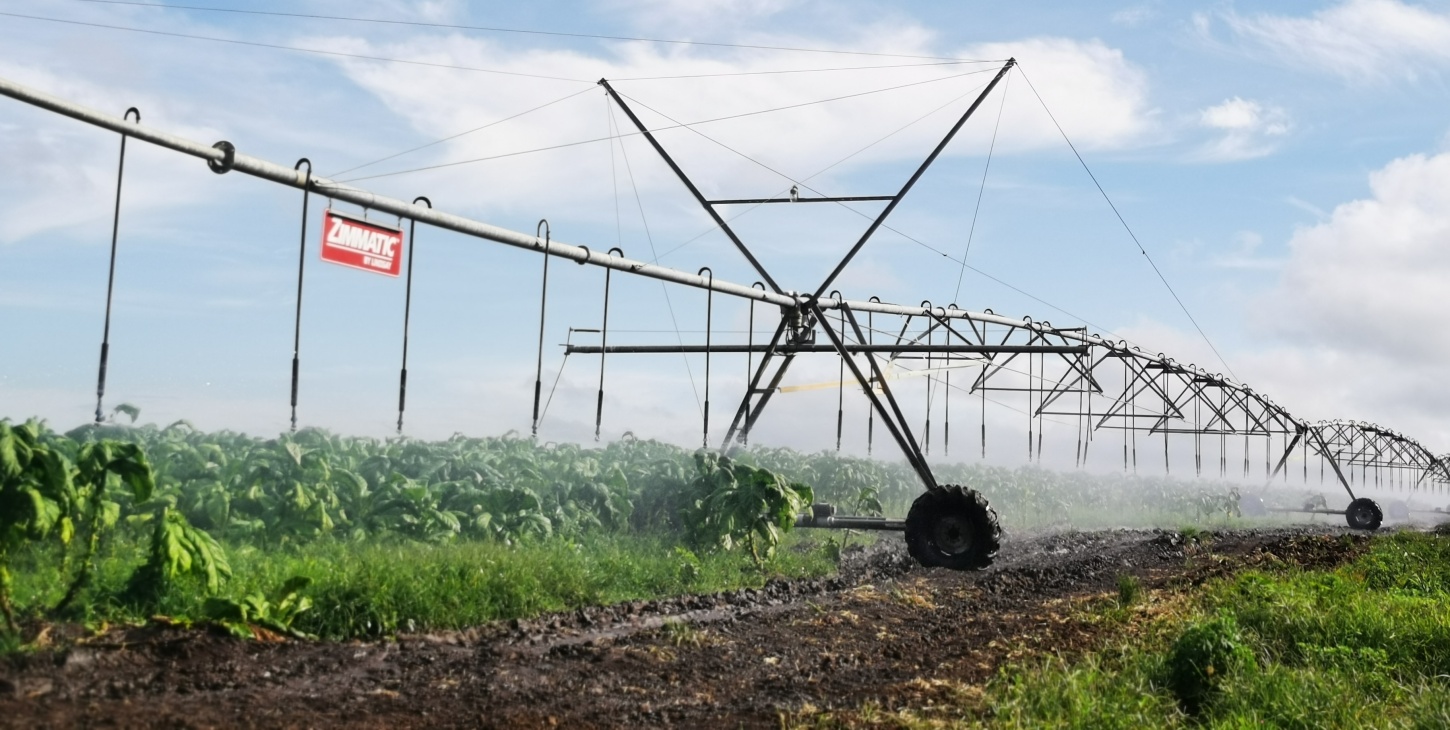
The primary application of this cutting-edge solar power system is agricultural irrigation, significantly boosting water availability for crops in Zimbabwe. By harnessing the abundant solar resources, the project not only mitigates the challenges posed by water scarcity but also contributes to reducing carbon emissions and fostering a greener economy. Overall, the 1.144MWp Anhui & Zimbabwe Solar Power Generation Water Lifting Irrigation Project exemplifies the transformative potential of renewable energy in supporting sustainable agricultural practices and enhancing food security in the region.